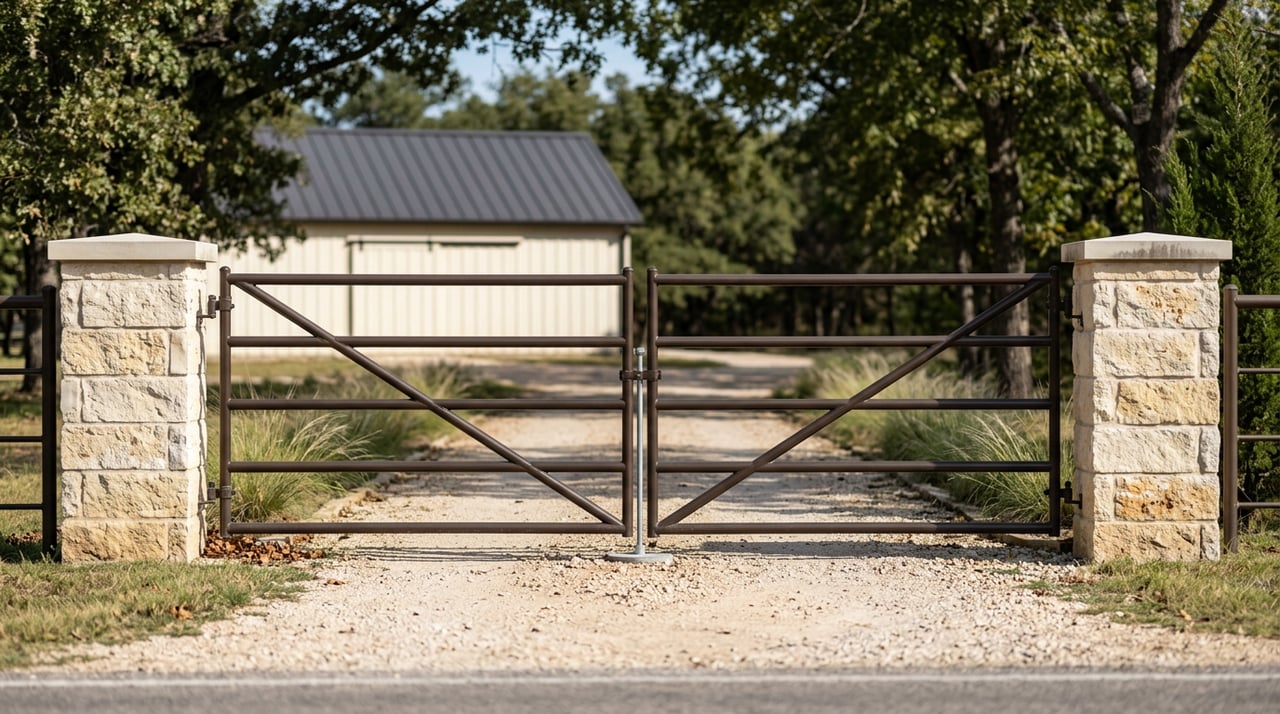
Dreaming of room to breathe, a shop for your projects, and space for a few head of cattle or a big garden? If a small farm or hobby ranch around Nocona is on your mind, you are not alone. Buyers love the area’s rural pace, rolling acreage, and access to the essentials along Highway 82. In this guide, you’ll learn what parcel sizes make sense, which improvements to evaluate, key permits and utilities to confirm, and a step-by-step checklist to buy with confidence. Let’s dive in.
Why Nocona works for hobby ranch life
Nocona sits in northern Montague County, a rural North Texas setting with a strong small-town core along US Highway 82. The area blends lake recreation, pastureland, and larger ranch country. According to the local profile, Nocona is a smaller community in a largely rural county with easy regional access along the main corridor (Nocona community profile).
When you shop local listings, you’ll see everything from small lake-neighborhood lots to multi-hundred-acre ranches. For hobby use, parcels commonly run from about 5 to 80 acres, with both smaller and larger options appearing in the same search. You can scan current examples anytime on a live portal like LandWatch’s Nocona land listings.
Pick the right parcel size
2–10 acres: Starter hobby setup
If your plan is a home, small shop or barn, and a little pasture, 2 to 10 acres can be enough. You can keep a few animals, garden, and still have room for privacy. These tracts show up closer to town or near subdivisions.
10–50 acres: House, pasture, and pond
This range fits many buyers who want a primary home or weekend place, livestock pasture, cross-fencing, and a small pond. You will also find metal shops or pole barns on these tracts. Inventory varies by season, so rely on current searches rather than old comps.
50–200+ acres: Working ranch or hunting focus
Larger tracts support grazing programs, rotational pastures, or a hunting retreat. They often sit farther from Lake Nocona and town services. Lake-area communities like Nocona Hills are a different submarket with smaller residential lots and HOA rules near the reservoir. For lake context, see Lake Nocona history and overview.
Improvements to evaluate and ballpark costs
Buying rural land is part property and part improvements. A solid fence, a functional barn, and reliable water change everything. Here is what to look for and high-level cost notes.
Fencing basics and costs
Common fence types include barbed wire for cattle, woven or net wire for smaller livestock, and pipe or post-and-rail for horses. Condition matters. Walk the corners, braces, and gates. Many agricultural fences in North Texas fall roughly in the 2 to 6 dollars per linear foot installed, depending on materials and labor, with temporary electric cross-fencing on the lower end. For broad cost guidance, review fence cost estimates, then get local quotes for your tract.
Barns, shops, and outbuildings
Pole barns and basic metal buildings are popular because they go up fast and are cost-efficient. For standard agricultural shells, turnkey ranges often fall roughly in the 15 to 45 dollars per square foot, with higher-finish shops or barndominiums costing more. Remember to budget for slab, doors, electrical, and site work. A helpful primer is this pole barn cost guide.
Water: wells and ponds
Most rural tracts rely on private wells for domestic use and existing ponds for livestock or wildlife. Always ask for well logs, pump depth, and recent water testing. The Upper Trinity Groundwater Conservation District serves Montague County and offers well owner resources. For ponds, check dam condition and ownership details. Some impoundments fall under the Texas Dam Safety Program, so verify whether any pond or dam on the property is regulated and whether an Emergency Action Plan or engineering report exists. Start with the TCEQ Dam Safety guidance.
Septic systems and utilities
Septic and permitting
Most rural homes use an on-site sewage facility. In Texas, permitting and site evaluation follow state rules and local authorized agents. Before you close, confirm whether the system is permitted, the install date, maintenance records, and setbacks from wells and water bodies. If there is no permit record, plan for a site evaluation. The state’s rules and exemptions, including the narrow 10-acre situations, are detailed on TCEQ’s OSSF permit page.
Power, water, and broadband
Electric service typically comes from area cooperatives. Verify whether a meter is already on site, how far it is to the nearest pole or transformer, and whether a line extension fee applies. In lake subdivisions with a property owners association, a water-supply corporation may serve the neighborhood, while larger tracts usually use private wells. For broadband, check provider maps and ask neighbors about speed and reliability.
Soils, topography, and building sites
Soils drive pasture quality, septic feasibility, and how much site work you will need. Run parcel-specific maps on the USDA NRCS Web Soil Survey and review drainage, flood risk, and limitations for building and septic. When you are serious about a tract, hire a licensed site evaluator or engineer to confirm the septic footprint and a practical building envelope.
Property taxes and ag-use valuation
An agricultural valuation, also called open-space appraisal, can reduce your property tax burden if you meet use and intensity requirements. In Montague County, review the criteria, documentation, and deadlines in the Montague County Appraisal District Agricultural Use Booklet. Confirm whether the seller’s current ag valuation will carry forward, whether you will meet the production history standards, and whether any rollback tax exposure exists if the use changes.
Access, roads, and easements
Access affects value and financing. Confirm whether the property fronts a county-maintained road, a state or FM road like Highway 82 or FM 103, or a private road. For private roads, ask for the maintenance agreement and any association rules. Read the deed and title work for easements that allow others to cross or use part of the land, including utility, pipeline, or shared access rights.
Step-by-step due diligence checklist
- Verify boundaries and access. Get the recorded plat and survey, confirm fence lines with the seller, and ensure deeded access.
- Confirm water. Obtain well logs, pump depth, and a recent lab test for bacteria and nitrates. Contact the Upper Trinity GCD with questions.
- Check septic. Request OSSF permits, installation date, and maintenance records. If unclear, schedule a site evaluation per TCEQ OSSF guidance.
- Inspect ponds and dams. Verify whether any impoundment is regulated, and request any engineering records. See TCEQ Dam Safety.
- Review soils and build sites. Run the NRCS Web Soil Survey and plan a professional septic and building review.
- Confirm utilities. Ask the electric co-op about service availability and any extension costs. Confirm water provider or well plan, and check broadband options.
- Evaluate taxes and ag-use. Read the MCAD Ag Use Booklet, request prior tax bills, and ask the seller about current valuation status and any rollback risk.
- Review title and minerals. In Texas, mineral ownership may be severed or leased. Ask your title company and attorney to confirm all reservations and easements.
- Check flood and insurance. Pull FEMA flood maps to plan building locations and insurance needs.
- Engage local pros. Work with a rural-savvy agent, a surveyor, a licensed OSSF site evaluator or engineer, and a rural land attorney.
Your next steps in Nocona
Treat each rural purchase like a small development project. Start with water and septic feasibility, then confirm access and utilities, and finally dial in soils, taxes, and improvements. If you want a partner that lives and works in North Texas ranch and acreage markets, reach out to our team at Lake & Country Realty®. We help you line up the right inspections, read the fine print, and find the acreage that truly fits your goals.
FAQs
What parcel sizes are common for hobby ranches around Nocona?
- You will often see 5 to 80 acre tracts marketed for hobby use, with both smaller and larger parcels in the same search. For live examples, check a source like LandWatch’s Nocona listings.
How can I estimate fence costs on a Nocona acreage purchase?
- Walk the fence lines and get local bids. As a rough guide, agricultural fencing can run about 2 to 6 dollars per linear foot depending on materials and terrain. See fence cost estimates.
Who regulates private wells and groundwater in Montague County?
- The Upper Trinity Groundwater Conservation District serves the area and provides well owner resources. Always request well logs and recent water tests during due diligence.
What should I confirm about a rural septic system before closing?
- Ask for the OSSF permit, install date, maintenance records, and site map. If records are missing, follow TCEQ’s OSSF guidance and plan a site evaluation.
Do ponds or dams on a property require special approvals?
- Some impoundments fall under the Texas Dam Safety Program. Verify status and request any engineering or Emergency Action Plan documents. See TCEQ Dam Safety.
How does an agricultural valuation work in Montague County?
- Ag-use appraisal is based on qualifying use and intensity. Review criteria, documentation, deadlines, and rollback rules in the MCAD Agricultural Use Booklet and confirm current status with the seller.