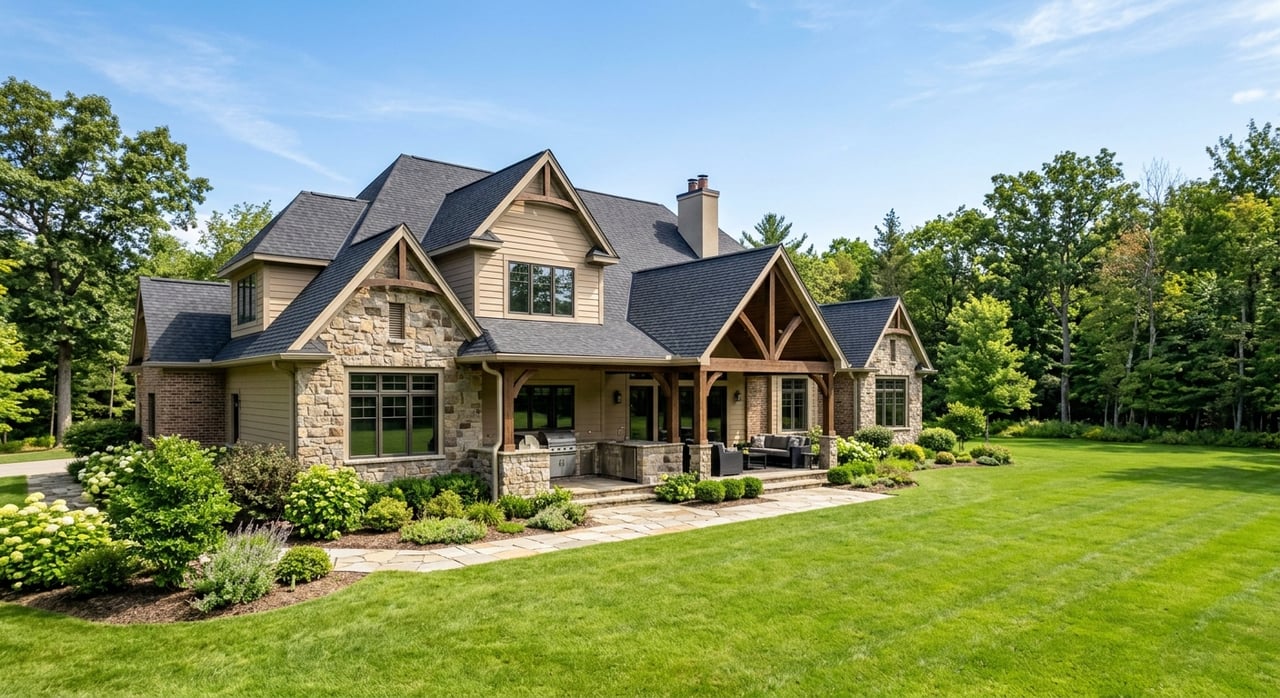
Curious why so many DFW buyers start looking north when they want something different from the usual suburban search? For many buyers, it is not just about price. It is about finding more land, more privacy, more recreation, or a property that feels tied to a lifestyle instead of a standard floor plan. If you are weighing that kind of move, this guide will help you understand what draws buyers north from Fort Worth-Arlington and what to think through before you make a decision. Let’s dive in.
Why North Texas draws DFW buyers
The search area north of DFW is part of the same broader regional economy, not a separate world. Texas Real Estate Research Center reporting places the broader North Texas lake-and-country area within the same regional framework that includes the Dallas-Fort Worth-Arlington metro.
That matters because buyers are often comparing two very different ways of living within one larger market. In March 2026, DFW posted a median close price of $384,900 with 4.0 months of inventory, while Fort Worth-Arlington was showing early signs of price stabilization after earlier spring declines. For some buyers, that creates a natural moment to ask whether a conventional suburban home still fits their goals.
What buyers hope to gain
When buyers look north, they are often searching for a lifestyle shift as much as a property shift. Instead of focusing only on commute patterns or subdivision layouts, they may be looking for water access, gated amenities, room for outdoor hobbies, or space to spread out.
In practical terms, that can mean comparing homes in a private lake community, properties near a major public recreation lake, or small-acreage and hobby-ranch opportunities. The appeal is not one single feature. It is the combination of land, leisure, privacy, and flexibility.
Lake living offers two different paths
Private lake community living
One version of the northbound move is a private amenity-based community like Lake Kiowa. According to the community’s official information, Lake Kiowa is a private, gated Cooke County community with 24-hour manned security.
Its amenity mix includes a lake, beaches, an 18-hole golf course, trails, disc golf, a pavilion for events, and other shared recreation areas used by members, lessees, and guests. For buyers who want a structured community setting with recreation built into daily life, that combination can feel very different from a typical metro-area neighborhood.
Large public lake access
Another path looks more outdoors-focused and less community-centered. Lake Texoma is a Red River impoundment on the Texas-Oklahoma border with 74,686 surface acres and a maximum depth of 100 feet, according to Texas Parks and Wildlife.
The U.S. Army Corps of Engineers says Lake Texoma draws more than 6 million visitors annually, which speaks to its scale and popularity. The area includes campgrounds, trails, concessions, and nearby wildlife refuges, while Texas Parks and Wildlife notes the lake supports a self-sustaining striped bass population, which is unusual for a freshwater lake.
For buyers, that means the idea of “looking north” can point to very different outcomes. You may prefer a gated community experience with shared amenities, or you may want broad public recreation access and a property that serves as your base for weekends outdoors.
Property types buyers compare most
North-of-DFW buyers are usually not shopping just one category. They are often comparing several property types at once, especially if their goals include lifestyle, land use, or future flexibility.
Common comparisons include:
- Waterfront homes
- Gated community homes
- Golf-course homes
- Small-acreage homesites
- Hobby-ranch properties
- Recreational tracts
That range lines up with broader land-market activity in Texas. The Texas Real Estate Research Center reports that the small-land market is generally defined as tracts under 35 to 160 acres, depending on region, with a minimum tract size of 10.01 acres in its datasets.
Small tracts have also made up 55% to 60% of annual sales statewide over the last decade. That helps explain why so many buyers looking north are not necessarily seeking a massive ranch. Many are searching for manageable acreage that still gives them more room and more options than a conventional neighborhood lot.
Country property is not always the cheaper option
A common assumption is that moving north automatically means spending less. Sometimes that may be true, but it is not a rule you can count on.
Rural land values can rise quickly when a property has features buyers care about, such as access, water, amenities, or a desirable tract size. The Texas Real Estate Research Center found that Texas rural land reached a record $5,214 per acre in late 2025.
That is why many buyers are not simply asking, “Is it cheaper?” A better question is, “What am I getting for the money?” If you value land, privacy, recreation, or a more specialized property type, your decision may be less about comparing square footage and more about comparing lifestyle.
Taxes and carrying costs matter
Texas has no state property tax, but local taxing units set and collect property taxes. Those taxes help fund roads, police, fire protection, schools, and other local services.
Because those taxes are local, carrying costs can vary depending on the county, city, school district, and any special district tied to a property. That means two properties with similar prices may come with meaningfully different long-term ownership costs.
For buyers looking at acreage, there is another major point to understand. Texas allows qualified farm and ranch land to be appraised based on productivity value instead of market value.
That can affect the tax picture in a big way, but there is also risk if land use changes after closing. If qualified land later changes to a non-agricultural use, a rollback tax can apply for the prior three years.
This matters most when you are considering:
- Hobby ranches
- Acreage homesites
- Inherited land purchases
- Land you may repurpose later
Why due diligence matters more here
Lake and country properties tend to come with more variation than a standard suburban resale. Rules, access, amenities, and land-use details can change from one property type to the next.
For example, Lake Kiowa is gated and designed for members, lessees, and guests. Lake Texoma sits in a cross-border recreation environment, and Texas Parks and Wildlife notes that anglers may fish Texas portions with a Texas license or buy a Lake Texoma license to fish the whole lake.
Land purchases can also involve questions about special appraisal status and future use. Those details may not be obvious when you first fall in love with a view, a dock, or a stretch of open acreage.
What this means for Fort Worth buyers
If you live in or around Fort Worth, looking north is often about choice. You are still shopping within the broader DFW economic sphere, but you may be choosing a property that better matches how you want to spend your time.
For some buyers, that means a gated lake community with a golf course, trails, and beaches. For others, it means a home near a large recreation lake or a tract of land that supports outdoor use, privacy, and long-term flexibility.
The key is knowing that these are specialized searches. A lakefront home, a gated community property, and an acreage tract may all sit under the same broad “north of DFW” label, but they involve different priorities and different questions.
How local guidance helps
Because these properties are so varied, local knowledge matters. A buyer looking at Lake Kiowa will need a different lens than a buyer comparing acreage or evaluating a property tied to a public recreation lake.
That is where boutique, hands-on guidance can make the process clearer. When you work with a team that focuses on lake, ranch, acreage, and higher-end residential properties, you are better positioned to sort through lifestyle fit, ownership costs, and property-specific considerations early in your search.
If you are starting to look north from Fort Worth and want help narrowing your options, connect with Lake & Country Realty® to talk through the communities, property types, and next steps that fit your goals.
FAQs
Why do Fort Worth-area buyers look north for homes?
- Many buyers look north for a different lifestyle mix, including private lake communities, public recreation access, small acreage, and more privacy within the broader North Texas region.
What makes Lake Kiowa different from other North Texas options?
- Lake Kiowa is a private, gated Cooke County community with 24-hour manned security and amenities that include a lake, beaches, golf, trails, disc golf, and shared recreation areas.
What should buyers know about Lake Texoma properties?
- Lake Texoma is a large public recreation lake on the Texas-Oklahoma border, and buyers should understand that access, recreation rules, and lake use differ from a private community setting.
Are north-of-DFW acreage properties always less expensive?
- No. Texas rural land reached a record $5,214 per acre in late 2025, and pricing can rise based on access, water, amenities, and tract size.
What tax issue matters for North Texas land buyers?
- Buyers should pay close attention to whether land qualifies for special agricultural appraisal and whether a future change in land use could trigger rollback taxes for the prior three years.