Curious what a gated community really offers at Lake Kiowa? If you have images of perfect privacy, guaranteed security, and all‑inclusive amenities, you are not alone. You want clarity before you buy, and you want to know the trade‑offs as well as the benefits. In this guide, you will learn how gates work, who sets the rules, what fees to expect, and how to decide if Lake Kiowa fits your lifestyle. Let’s dive in.
Gated community basics
A gated community uses physical and administrative tools to control who enters the neighborhood. At Lake Kiowa, that typically means a staffed or automated gatehouse, decals or passes for owners, and a visitor registration process. The goal is to reduce through‑traffic, track guests and vendors, and create a sense of privacy.
Remember, “gated” describes access control. It does not define how the community is governed, who owns the amenities, or which services are included in your dues. Those details live in the community’s recorded covenants, bylaws, and rules.
Access control: what it does and doesn’t do
Gates are effective at cutting casual trespass and deterring opportunistic incidents. They also centralize deliveries and contractor access, which can make daily life feel more orderly. Many buyers value the visible security presence and the quieter streets that come with reduced outside traffic.
That said, gates do not guarantee complete protection from crime or vandalism. Determined individuals can still find ways in, and internal disputes or fraud are not prevented by a gate. Insurance costs may or may not change based on gating, since carriers weigh many factors like local risks and flood exposure.
Governance and rules: how Lake Kiowa works
Lake Kiowa operates under a property owners association, commonly referred to as LKPOA. The POA is guided by recorded covenants, bylaws, and rules that outline what you can build, how you maintain your property, and how community amenities are used. An elected Board of Directors and committees handle operations, budgeting, and rule enforcement.
Expect an architectural review process for new construction, exterior changes, fences, docks, or significant landscaping alterations. You submit an application and wait for approval before starting work. Unapproved changes can lead to notices, fines, and a requirement to bring the property into compliance.
When rules are enforced, boards typically follow a notice and hearing process. Tools can include fines, suspension of amenity privileges, and in serious cases, liens for unpaid assessments. Texas law sets procedures that HOAs and POAs must follow, including notice, meeting standards, and access to certain records. It is smart to review both the LKPOA documents and how Texas statute shapes your rights and obligations.
Amenities and services: what’s included vs. optional
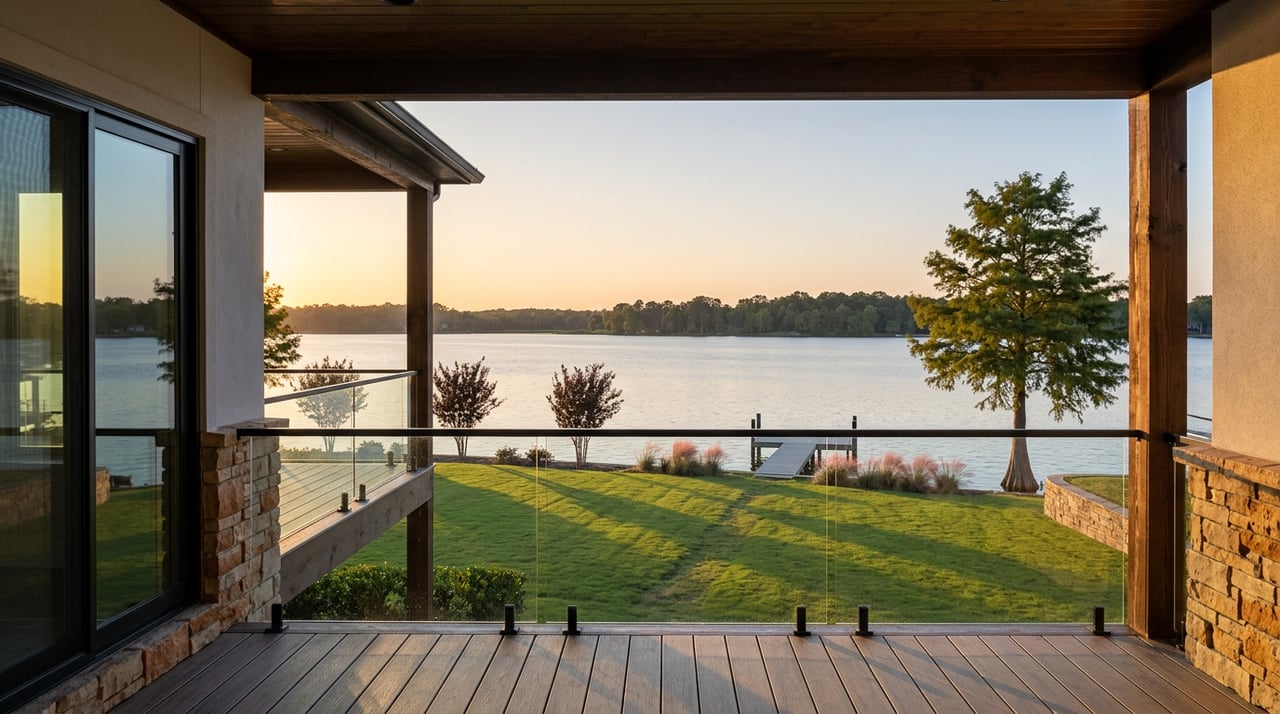
Lake and golf communities like Lake Kiowa often offer a range of amenities. You might see private lake access, a marina or boat slips, a golf course and club facilities, a clubhouse or restaurant, pro shop, pools, tennis or pickleball courts, and walking trails. Communities also program events and social activities that bring neighbors together.
Your regular POA assessments typically fund common‑area maintenance, gate operations and security staffing, road and landscaping care, association insurance for shared spaces, and administration. Trash service can be included or contracted through the POA, depending on the setup. These services are part of why gated communities feel tidy and well‑managed.
Some amenities may require separate fees. Golf operations, marina slip rentals, private club dining, or fitness memberships are often paid by the users rather than bundled into POA dues. If you plan to golf or keep a boat, confirm membership requirements, waitlists, and any additional costs.
Utilities and owner responsibilities
In most cases, owners handle their own lot maintenance, utilities to the home, and homeowners insurance for the dwelling and contents. Water and sewer can be public, private, or community‑managed in different neighborhoods, so ask who bills for each utility and who maintains lines and equipment at Lake Kiowa. Knowing where responsibility starts and ends helps you budget and plan repairs.
Fees and the fine print when you buy or sell
You will encounter several categories of fees in a gated, amenitized community. Regular assessments fund operations and reserves. Transfer or resale certificate fees provide the buyer with the account status and governing documents at closing. You may also see gate decal or access card fees, fines for rule violations, and late fees if assessments are overdue. If the community underfunds reserves or takes on major projects, a special assessment can be levied.
Exact amounts change over time, and they vary with the scope of services and reserve policy. Always request the current dues, recent budgets, and reserve details from LKPOA before you make an offer. If golf or marina memberships are important to you, contact the relevant operators for membership types and pricing so there are no surprises later.
Lenders and title companies will review association documents during the loan and closing process. Some lenders are cautious about communities with pending litigation or severely underfunded reserves. Title companies also check for any liens from unpaid assessments. If you are shopping lakefront or near‑lake properties, obtain a flood zone determination early and price insurance with your agent.
Smart due diligence for Lake Kiowa
To protect your purchase, gather the right information before you commit. A little homework now can save you time and money after closing. Here is a practical list to follow.
- Request the LKPOA resale packet. Make sure it includes CC&Rs, bylaws, rules, the current budget, reserve study, recent meeting minutes, current assessments, and any pending special assessments.
- Confirm who owns and operates the golf club, marina, and similar amenities. Ask which services are covered by POA dues versus separate user fees.
- Visit at different times. Stop by on a weekday, weekend, and evening to observe gate operations, traffic, and amenity use.
- Talk to residents. Ask about rule enforcement, responsiveness of the board or management, and any recurring maintenance topics like shoreline care.
- Verify risk and utilities. Check flood zone status, fire protection, and who provides water, sewer, trash, electricity, and internet.
- Ask about guest and vendor policies. Learn how visitor passes work and how emergency services access the community.
- Understand architectural timelines. Confirm how long approvals take for renovations you are planning.
Red flags to investigate
Most communities run smoothly, but you should pause and ask more questions if you see any of the following:
- Active litigation involving the association or a major vendor.
- Reserves that appear underfunded with no plan to correct the shortfall.
- High delinquency rates for dues or repeated disputes about rule enforcement.
- Unclear responsibility for lake maintenance, dock permits, or shoreline care.
Lifestyle fit: is Lake Kiowa right for you?
Think about how you want to live day to day. Privacy and controlled access are valuable if you prefer quiet streets and a more private setting. If you plan to use the lake, marina, golf, and social events regularly, you may view POA dues and optional memberships as worthwhile.
On the other hand, if you want maximum flexibility for exterior changes, dislike rules, or want to minimize recurring fees, a gated, amenitized community may not be your best match. There is no right answer. The best choice aligns the rules and costs with the lifestyle you envision.
What to expect at the gate
Gated living comes with a few routines. Guests and service providers may need passes, and peak times can create brief lines. Delivery services typically learn the process quickly, and many residents appreciate that visitors are logged.
Emergencies are planned for as part of gate policies, and associations coordinate with local first responders on access. Ask for the current emergency access procedures during your due diligence so you feel confident about response times.
Your next step with a local expert
If Lake Kiowa is on your shortlist, you do not need to navigate documents and trade‑offs alone. A local, community‑rooted agent can help you interpret the LKPOA rules, separate what is included from what is optional, and spot red flags early. We guide buyers through resale packets, membership questions, flood and insurance checks, and architectural timelines so you can make a confident decision.
Ready to evaluate Lake Kiowa with clarity and a plan? Talk with the team at Lake & Country Realty® for tailored guidance, on‑site and virtual tours, and a smooth, informed path to the right home.
FAQs
Does a gated entrance at Lake Kiowa lower crime?
- Gates can reduce through‑traffic and deter casual intrusions, but they do not eliminate all crime; you should also review local data and the community’s security practices.
How are rules set and enforced at Lake Kiowa?
- The LKPOA Board and governing documents establish standards; enforcement typically involves notices, hearings, fines, and in serious cases suspension of amenities or liens for unpaid assessments.
Are golf and marina access included in POA dues at Lake Kiowa?
- Often these amenities require separate memberships or user fees; confirm current policies, availability, and pricing with the operators before you buy.
What fees should I expect when buying in Lake Kiowa?
- Expect regular POA assessments, a resale certificate or transfer fee at closing, potential gate access card fees, and optional club or marina fees if you choose those amenities.
Who approves exterior changes like docks or fences?
- An architectural review committee evaluates applications for new construction and exterior modifications; unapproved work can lead to fines and required corrections.
How do gates affect daily life for guests and vendors?
- Visitors typically need to be registered for entry, which adds a brief step at the gate; most residents value the trade‑off for added privacy and controlled access.