Dreaming of coffee on the dock, but unsure if a waterfront lot is really the best fit in Lake Kiowa? You’re not alone. The choice between waterfront and off-water homes touches lifestyle, rules, maintenance, insurance, and long-term value. In this guide, you’ll learn the real differences inside Lake Kiowa so you can buy with confidence. Let’s dive in.
Waterfront vs off-water basics
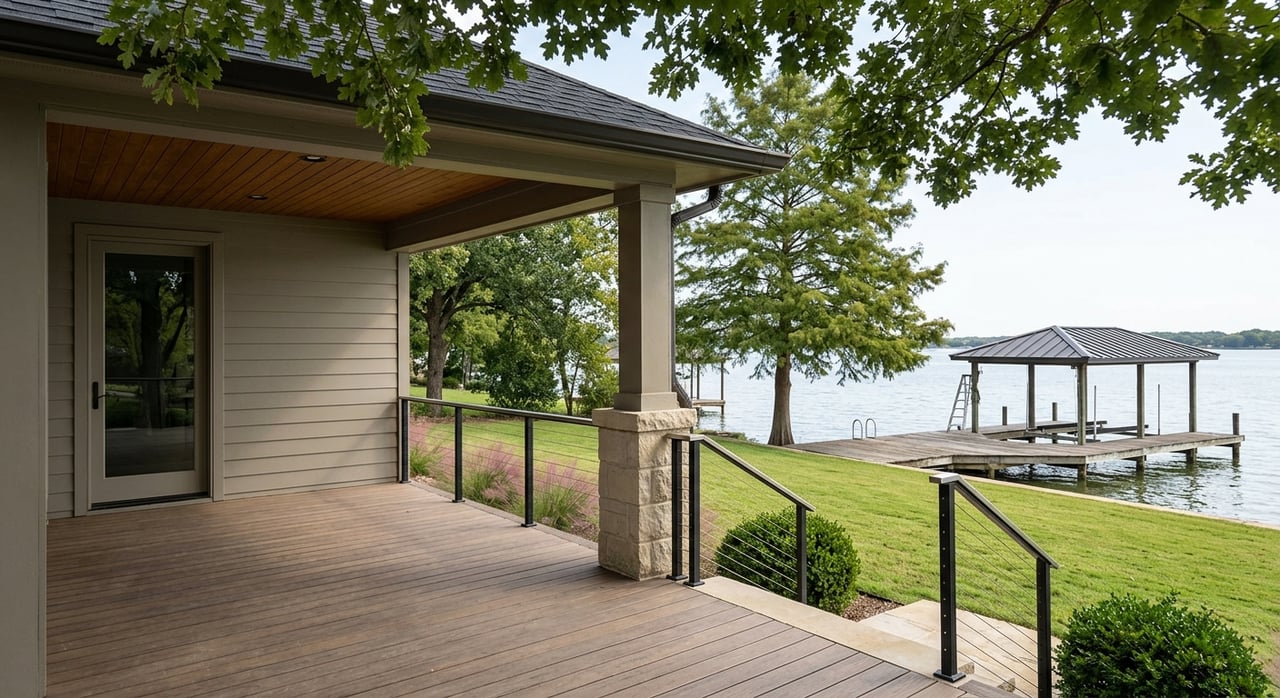
Waterfront homes line the shoreline and usually deliver direct views and immediate lake access from your lot. Waterfront gives you the shortest path to boating and fishing where allowed by community rules. Lot shapes often angle wider toward the water, and frontage varies by property.
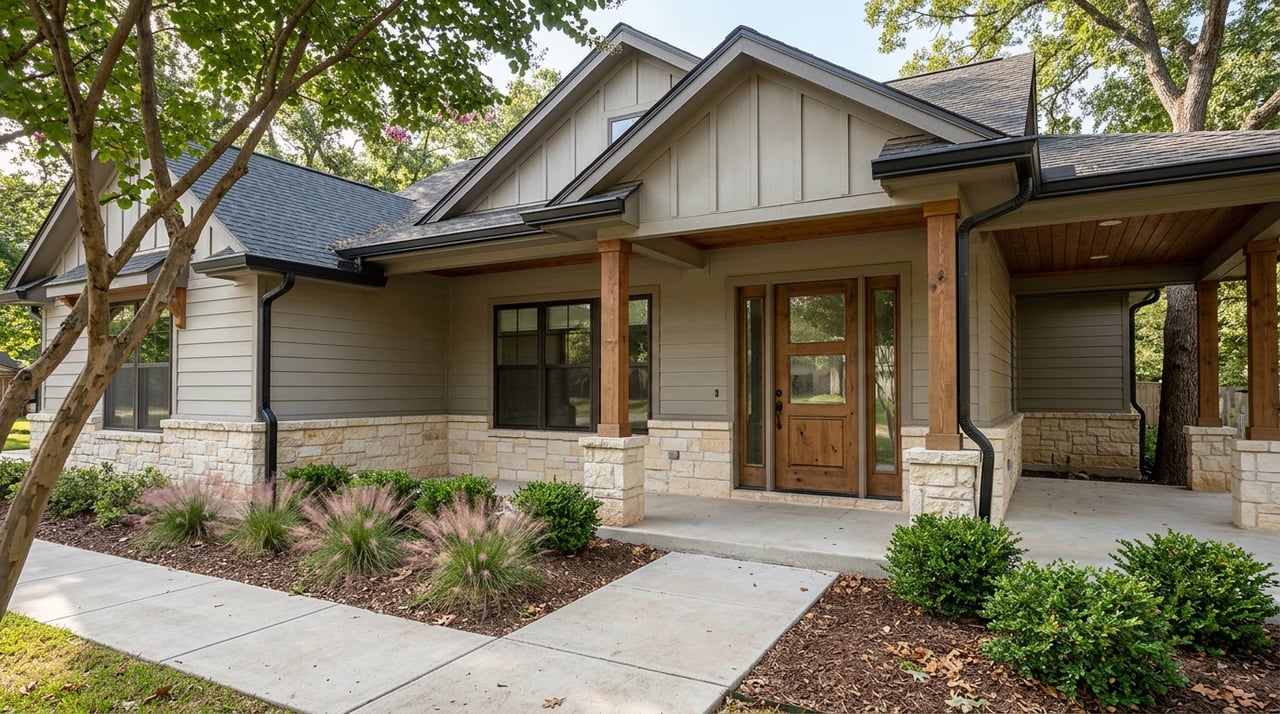
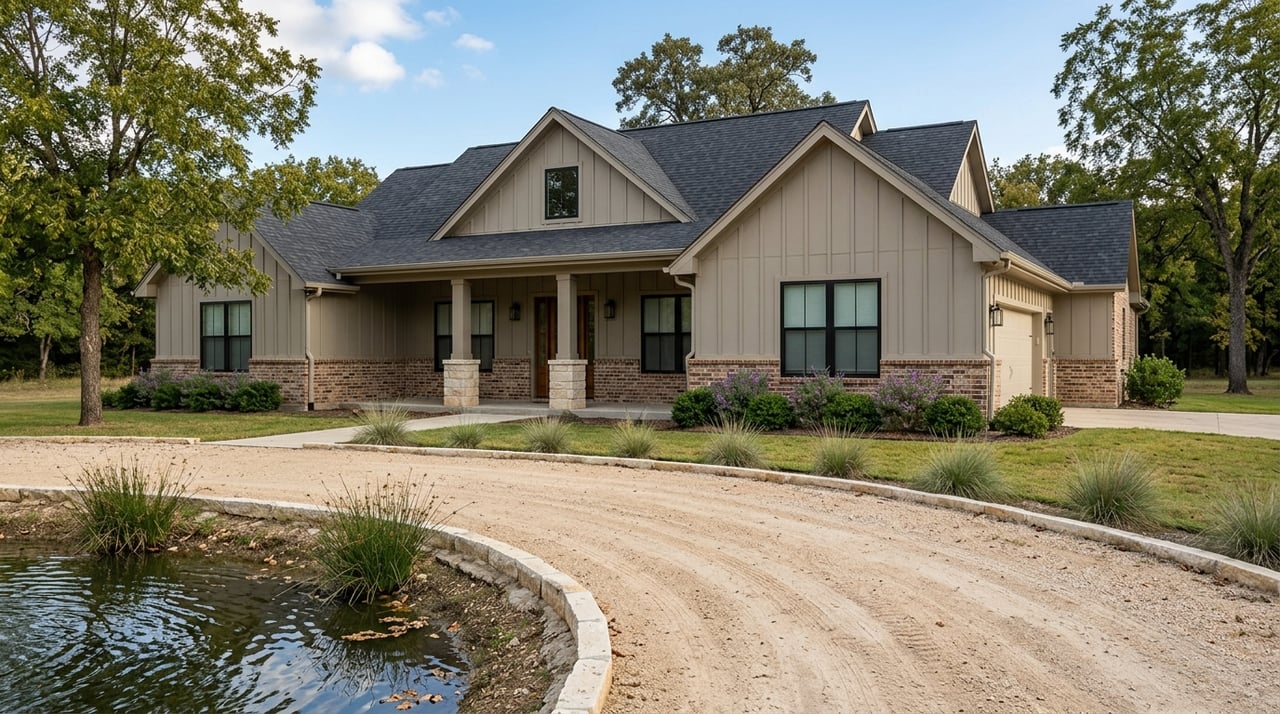
Off-water homes sit within the neighborhood interior and rely on community amenities for lake access. Off-water can be quieter and lower on lake-related upkeep, and lot shapes are often more traditional. In both cases, Lake Kiowa is a private, gated community where lake use is governed by the Property Owners Association (POA) covenants and rules.
Lake access and boating
If you plan to be on the water often, access matters. Waterfront owners typically launch from their own shoreline and may have private docks or lifts, where permitted. Dock standards, size, and placement are set by POA rules and may require approvals and inspections.
Off-water owners use community boat ramps, marinas, or shared facilities. Before you buy, verify:
- Whether the home includes deeded or assigned use of a slip or ramp
- Current waitlists for marina slips or community docks
- Guest and trailer rules, including where you can park and launch
Expect POA rules to set boat types, motor sizes, speed limits, and wake restrictions. Your daily routine on the lake will flow from these guidelines.
Views, privacy, noise
Waterfront comes with premium views and easy access, but you may also experience higher boat traffic and lakeside activity, especially on weekends and holidays. Lighting and voices carry over water, so plan for more ambient sound during peak seasons.
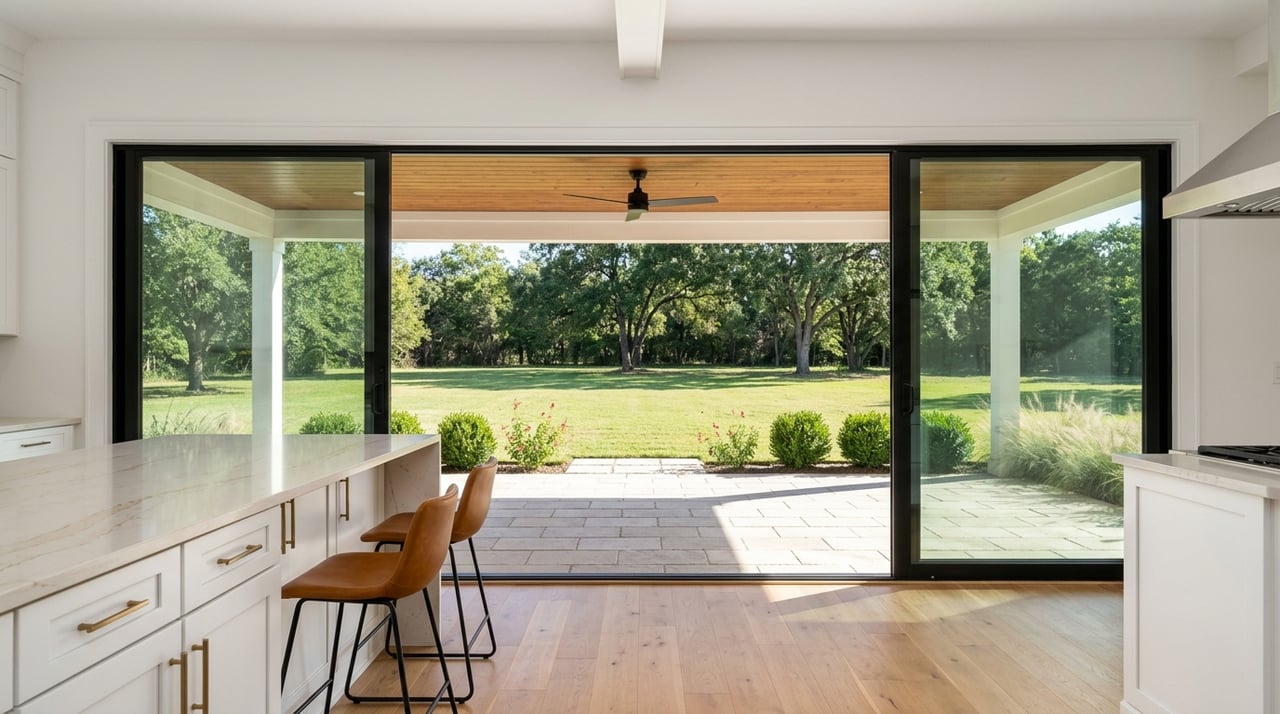
Off-water homes can deliver more privacy and sometimes larger yards that buffer activity. Seasonal variation matters. The community’s rhythm tends to pick up during warm months and big holiday weekends. Think about when and how you use your outdoor space most.
Flood risk and elevation
Elevation and proximity to the water shape risk and insurance. Waterfront lots often sit lower, which can affect drainage, shoreline stability, and flood zone designation. Lenders typically require flood insurance for homes in FEMA Special Flood Hazard Areas.
Your action steps:
- Check current FEMA Flood Insurance Rate Maps for the property’s flood zone
- Ask the seller for an elevation certificate if available
- Confirm base flood elevations with Cooke County, and review any prior flood claims
Off-water lots may sit higher and can carry lower flood risk, but this varies by street and micro-topography. A recent survey helps you understand grade, setbacks, and buildable area.
Shoreline structures and upkeep
Many waterfront lots include bulkheads, riprap, retaining walls, docks, boat lifts, or shoreline landscaping. These features are valuable but add ongoing maintenance. Erosion control and dock repairs can be periodic and sometimes costly.
Confirm what is allowed and who pays:
- Which shoreline structures are on the lot today and their condition
- Owner vs HOA responsibility for maintenance and repairs
- Required POA approvals or county permits for new or modified docks, lifts, or erosion control
Expect to budget time and money for routine inspections, occasional repairs, and approvals before work begins. Off-water owners will avoid most shoreline tasks but still share community maintenance through HOA dues.
Utilities and septic
Lake Kiowa sits in unincorporated Cooke County, so utility setups can differ by property. Some homes may tie into community water or sewer, while others may use well and septic. Septic systems come with placement setbacks, inspection requirements, and maintenance schedules, which can affect how and where you build on the lot.
Before you offer, verify:
- Whether the home uses community water and sewer or well and septic
- Septic inspection history and service records
- Setback requirements near the shoreline and any impact on future additions
If repairs or new installations are needed, Cooke County environmental health and, in some cases, state environmental rules will guide permitting.
HOA rules and fees
Because Lake Kiowa is a private community, the POA’s covenants, conditions, and restrictions govern lake use, docks, architectural guidelines, noise, guests, and parking. Expect architectural approvals for exterior changes and dock work. HOA dues typically cover lake management, security, and common areas, and there may be separate fees for marina slips or special projects.
Do your diligence:
- Review the CC&Rs, dock and marina policies, and architectural guidelines
- Read HOA financials, reserve studies, meeting minutes, and any notices about special assessments
- Understand your owner rights and processes under Texas Property Code Chapter 209
This upfront review helps you set realistic expectations and budget for potential assessments.
Insurance and taxes
Insurance costs tend to reflect risk and replacement value. Homes near the water can carry higher homeowners premiums due to wind, water, and storm exposure. Properties in FEMA Special Flood Hazard Areas require flood insurance if financed. Even if a home is outside those zones, many buyers choose a flood policy for added protection.
Title insurance should account for recorded easements, shoreline covenants, and dock rights. For taxes, waterfront status typically influences market value and property tax assessments. Actual differences depend on recent sales and how the Cooke County Appraisal District values similar homes.
Market value and resale
Waterfront homes commonly carry a premium over similar off-water homes because of views, access, and recreational value. The size of the premium varies by frontage width, orientation, elevation, dock quality, and overall market conditions. In some cycles, waterfront sells faster; in others, the buyer pool can be narrower.
To price with confidence, request a fresh comparative market analysis for both segments. Appraisers will weigh recent waterfront comps heavily, so if sales are limited, valuation can vary more. A local agent and appraiser familiar with Lake Kiowa can help you navigate those nuances.
Buyer checklist
Use this quick list to focus your due diligence.
- Is the lot deeded as waterfront, and does the deed grant shoreline or dock rights?
- Is the property in a FEMA Special Flood Hazard Area, and is an elevation certificate available?
- Do CC&Rs reserve the shoreline to the HOA or grant private frontage? Any recorded easements?
- What shoreline structures exist today, who maintains them, and what is their condition?
- Are there setback lines, floodplain encroachments, or easements that limit building?
- Is the home on community water/sewer or well/septic? When was the septic last inspected or serviced?
- What are the HOA dues today? Are there additional fees for slips or dock permits? Any pending special assessments?
- What are the rules for rentals, boat types, watercraft sizes, noise, and hours of use?
- What do recent Lake Kiowa comps show for waterfront vs off-water in the last 12 to 24 months?
- Are any lake, marina, or shoreline projects planned that could affect access or costs?
- Can you review seller disclosures, a recent survey, septic and dock reports, and HOA meeting minutes?
Which is right for you
Match your priorities to the property type. If you boat often and value immediate access, waterfront will feel effortless day to day. If you prefer a quieter setting and lower lake-related maintenance, off-water can deliver value and comfort.
Consider these questions:
- How often will you be on the water during peak season?
- What is your tolerance for dock and shoreline maintenance?
- Is privacy or view more important to you?
- How do flood insurance and potential assessments fit your budget?
There isn’t a single right answer. There is a right fit for your lifestyle and long-term plans.
Next steps
You deserve clear facts and a smooth process. A local, hands-on team can help you verify CC&Rs, pull flood maps and surveys, estimate dock or erosion costs, and run a precise CMA for waterfront vs off-water homes in Lake Kiowa.
If you’re ready to explore, reach out to the neighborhood experts who live and work here. We provide buyer representation, valuation tools, virtual and in-person tours, and relocation support tailored to your goals. Talk with Lake & Country Realty® to compare options and move forward with confidence.
FAQs
What counts as “waterfront” in Lake Kiowa?
- Waterfront status is determined by recorded plats, deeds, and POA designations that define shoreline frontage and permitted use, including any dock rights.
Do off-water owners get slip access at Lake Kiowa?
- Off-water owners typically use community ramps or marinas; confirm whether the property has deeded or assigned slip use and whether waitlists apply.
Is flood insurance required for Lake Kiowa waterfront homes?
- If a home is in a FEMA Special Flood Hazard Area and you use a mortgage, lenders generally require flood insurance; many owners choose coverage even outside those zones.
Who maintains docks and bulkheads in Lake Kiowa?
- Responsibility depends on POA rules, recorded easements, and your deed; verify maintenance obligations and approval steps for repairs or new work.
How do HOA rules affect renovations near the lake?
- Most exterior changes, docks, and shoreline work need POA architectural approvals and may also require county permits, so plan timelines and costs accordingly.
Do waterfront homes always cost more in Lake Kiowa?
- Waterfront homes typically carry a premium, but the size varies with frontage, views, elevation, and market conditions; rely on recent local comps for exact figures.