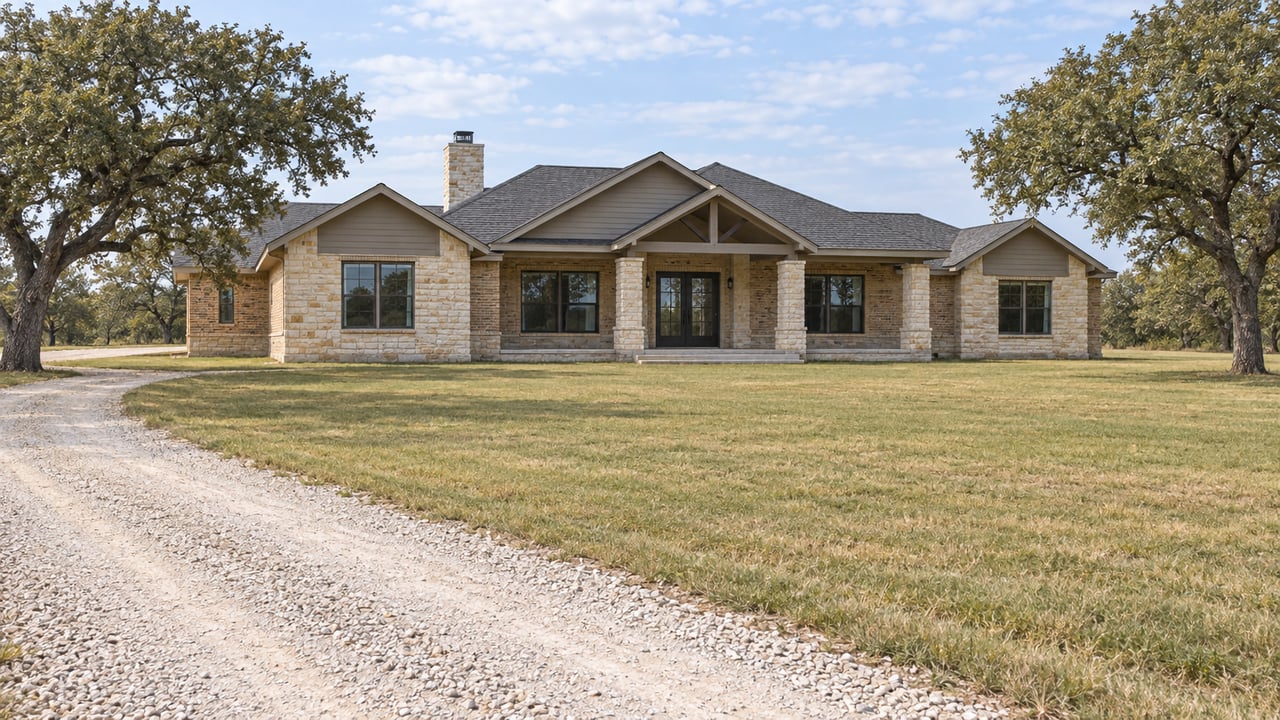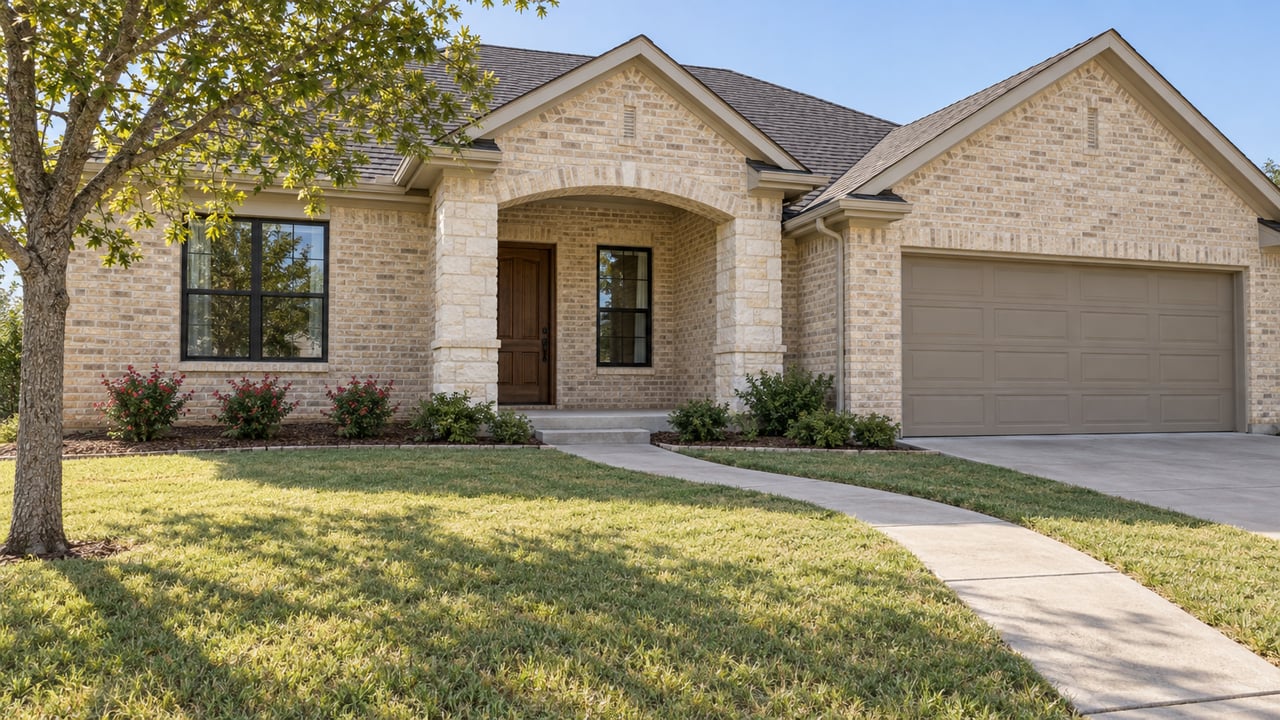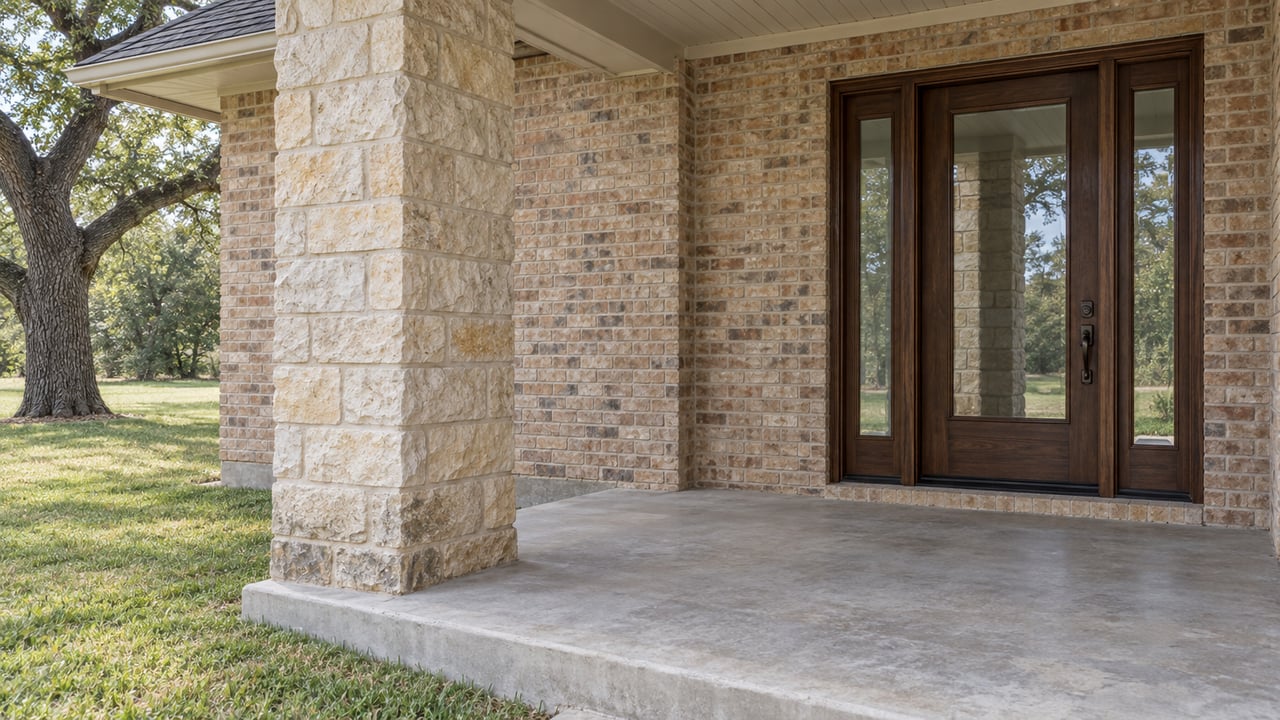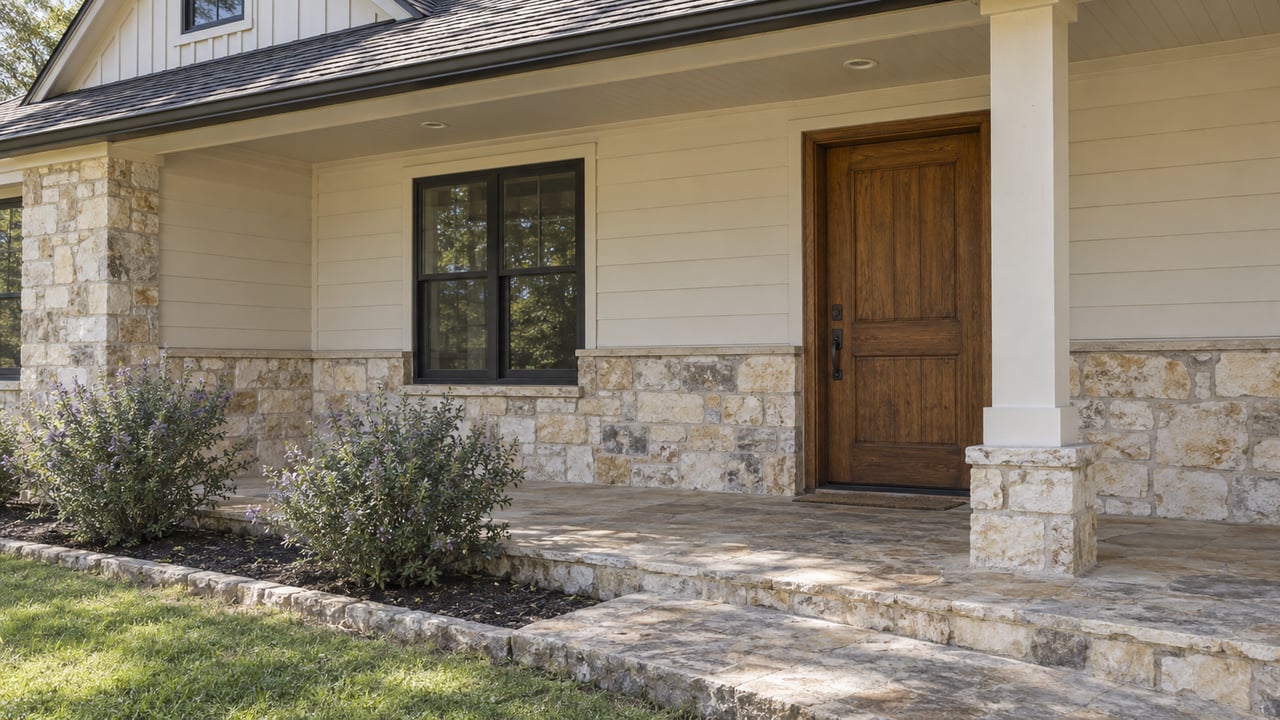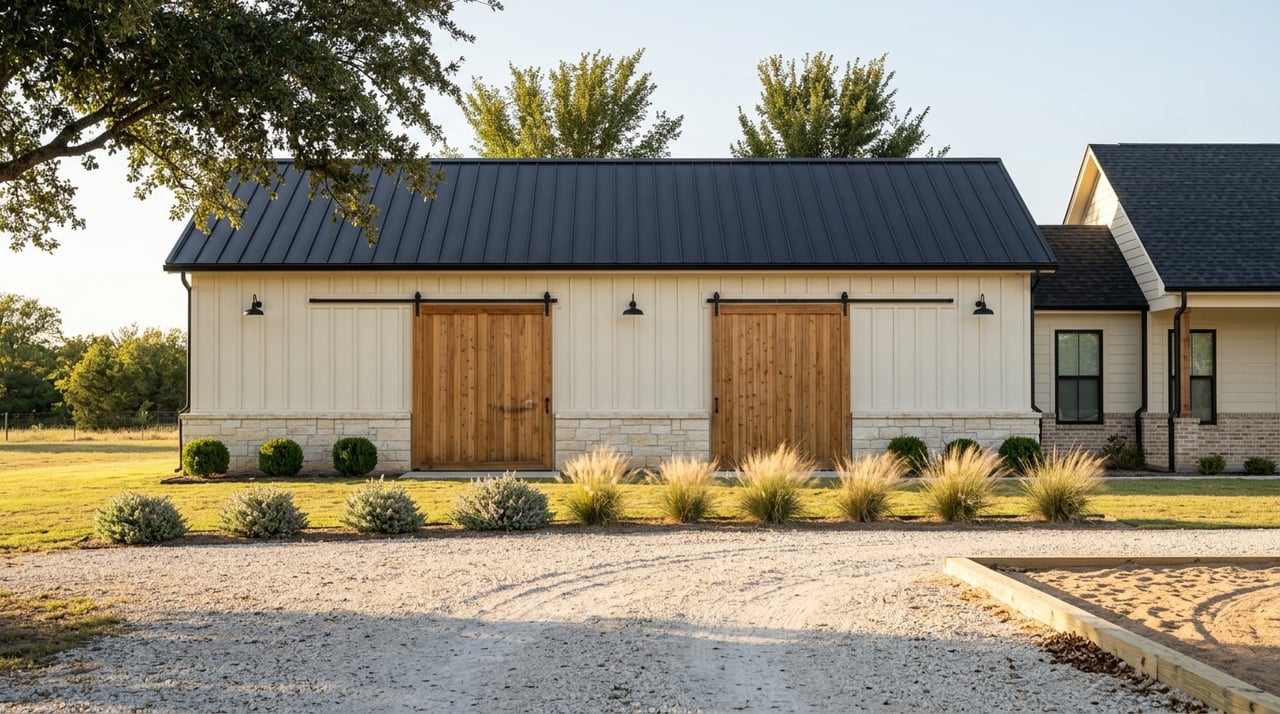
If you picture Aubrey as endless ranch land with nothing but open sky, you are only seeing part of the story. This part of northeast Denton County still carries the "Horse Country USA" identity, but today it blends rural acreage, ranchettes, and newer suburban edges as growth moves outward. If you are thinking about horse-country living here, it helps to know what daily life really looks like, what property features matter most, and what to verify before you buy. Let’s dive in.
Why Aubrey Appeals to Horse Owners
Aubrey has real horse-country roots, and the city still identifies itself with that history. At the same time, local growth has changed parts of the area, so you are not always choosing between a classic ranch and nothing else.
That mix can be a benefit if you want some elbow room without feeling completely removed from everyday conveniences. In practical terms, you may find everything from true acreage properties to smaller ranchettes and homes on the suburban edge that still connect to the local equestrian lifestyle.
What Horse Properties Often Include
Around Aubrey, horse setups can vary, but local boarding and equestrian facilities give a useful picture of what is common in the market. Publicly advertised facilities in the area include features like stalls, covered arenas, outdoor riding fields, paddocks, turnout areas, tack rooms, wash racks, round pens, and even boarder lounges.
That matters because it shows Aubrey is not just a place where a few people happen to keep horses. The range of local facilities suggests a broader equestrian infrastructure, which can be helpful whether you want to keep horses at home, board nearby, take lessons, or train more regularly.
Common Features to Look For
When you tour horse properties or compare boarding options, you will often see features such as:
- Barns with individual stalls
- Covered or outdoor arenas
- Turnout paddocks or pastures
- Tack storage areas
- Wash racks
- Round pens
- Gated access at some facilities
Not every property will have all of these, of course. The right setup depends on whether you want a private home barn, a hobby-horse arrangement, or a property that works alongside outside boarding and training.
Boarding and Support Options Near Aubrey
One of Aubrey’s advantages is that you are not limited to only what sits on your own land. Local facilities publicly advertise a mix of boarding, lessons, and training, including full-care boarding at some properties and more amenity-rich setups at others.
For buyers, that can create flexibility. If you find a home you love but the horse setup is modest, nearby boarding or training options may still help the property fit your lifestyle.
Why That Flexibility Matters
Horse ownership often changes over time. You may start out wanting horses at home every day, then later decide you want help with care, access to an arena, or support for training and lessons.
In a market with several equestrian operations, you have more ways to adapt without having to leave the area. That can make Aubrey especially appealing if you want horse-country living with options built in.
Public Riding Access Near Aubrey
If trail riding is part of the lifestyle you want, Ray Roberts Lake State Park is the key public option near Aubrey. According to Texas Parks and Wildlife, two units of the park offer equestrian facilities, and riders have access to notable trail mileage in the area.
The Greenbelt Corridor is especially relevant for local horse owners. It runs 20 miles from Ray Roberts Dam to Lake Lewisville, with 12 miles open to horse riders, and trailheads on FM 455, FM 428, and Highway 380 provide practical access points.
Ray Roberts Trail Options
Nearby public riding opportunities include:
- The Greenbelt Corridor with 12 miles open to horse riders
- Isle du Bois with a 12.5-mile trail
- Primitive equestrian campsites
- Equestrian campsites with water and electricity
- Horse pens near some parking areas for easier trail access
For many buyers, this is a major plus. Even if your own property is better for turnout than long rides, you still have a nearby place to haul out and enjoy dedicated trail time.
Check Access Before You Go
Public riding access is valuable, but it is not something to assume will always be unchanged day to day. Texas Parks and Wildlife posts alerts and trail updates for Ray Roberts, so it is smart to verify current conditions before hauling in.
There are also park rules to keep in mind. Horses must stay on designated trails, cannot be left unattended at campsites, and must have a current negative Coggins test to enter Texas state parks.
What Daily Horse Life Really Feels Like
Horse-country living around Aubrey can be rewarding, but it is not low maintenance. North Texas weather shapes your routines in ways that matter on any horse property.
Denton climate normals offer a useful guide for the area. Average highs reach 95.9°F in July and 95.8°F in August, January lows average 34.1°F, and annual precipitation is 38.44 inches.
That combination affects how you think about turnout, chores, shelter, and property design. Summer heat often pushes owners toward early morning or evening routines, while rain and seasonal moisture can turn weak drainage areas into muddy trouble spots.
Property Details That Matter Year-Round
As you evaluate a horse property, pay close attention to:
- Shade availability
- Reliable water access
- Drainage patterns
- Mud control around gates and feeding areas
- Pasture condition
- Shelter and turnout layout
These details can affect your daily workload just as much as the size of the home or the number of acres. A beautiful property on paper may still create a lot of extra labor if the layout does not work well for horses.
Sandy Soil Means Active Pasture Management
In this part of North Texas, sandy pastures need real attention. Texas A&M AgriLife notes that horse owners in sandy environments should focus on soil testing, rotational grazing, maintaining enough ground residue, keeping feeding areas clean, providing shade, and staying on top of hoof care.
That guidance is important because sandy soil can be both helpful and challenging. It may drain better in some cases, but it also requires management to protect pasture health and support horse safety.
Horse Care Issues to Watch
Texas A&M AgriLife also flags two practical concerns in sandy pasture settings:
- Heat stress
- Sand-ingestion risk
For buyers, the takeaway is simple. You are not just buying acreage. You are buying a system that needs thoughtful upkeep if you want it to function well for horses over time.
Fencing Deserves a Close Look
Fencing is one of the most important things to evaluate on any horse property. Texas A&M Veterinary Medicine notes that safe fencing depends on horse size, the number of horses, and whether horses are grouped together or separated.
The safest fence helps prevent feet and heads from going through and is tall enough to discourage jumping. That means buyers should look beyond appearance and ask whether the fencing actually suits the horses they plan to keep.
Questions to Ask About Fencing
Before you buy, consider questions like:
- Is the fence height appropriate for the horses you expect to have?
- Are there places where a hoof or head could get caught?
- Does the layout support separating horses if needed?
- Are gates placed in practical locations for feeding, turnout, and equipment access?
Good fencing can save you money, stress, and safety concerns later. It is one of the clearest examples of why horse-property value is about function, not just curb appeal.
Tax Expectations Need Careful Review
Many acreage buyers ask whether owning a horse property means the land will qualify for agricultural appraisal. In Texas, the answer is not automatic.
Texas Comptroller guidance says agricultural appraisal applies to land principally devoted to agricultural use, including raising or keeping livestock. Denton Central Appraisal District also says qualifying land must meet the county’s degree-of-intensity standard, be managed in a typically prudent manner, and be a substantial tract.
The practical point is that owning a horse does not, by itself, determine tax treatment. If this issue matters to your buying decision, you will want to review the property’s land use and local appraisal standards carefully.
What Buyers Should Verify Before Buying
Horse properties can look great online, but the best buying decisions come from checking the details that affect everyday use. A little diligence up front can help you avoid expensive surprises.
Focus on the features and conditions that shape how the property lives, not just how it photographs.
Your Aubrey Horse-Property Checklist
Before moving forward, verify:
- The actual usable horse setup, including stalls, turnout, and riding space
- Water access and shade coverage
- Drainage and mud-prone areas
- Pasture condition and feeding-area wear
- Fence design and overall safety
- Access to nearby boarding or training if you may need support
- Trail access logistics if public riding matters to you
- Whether land use supports any expected agricultural appraisal treatment
For many buyers, this is where local guidance makes a real difference. Horse-country homes are lifestyle properties, and the details behind the listing can matter as much as the square footage.
Why Aubrey Still Stands Out
Aubrey remains one of the more recognizable horse-country areas in North Texas, but it is best understood as a market with both heritage and change. You can still find the acreage lifestyle that draws horse owners here, along with nearby boarding, riding access, and equestrian infrastructure that supports day-to-day use.
The tradeoff is that horse living here asks more of you than a typical residential purchase. If you come in with clear expectations about upkeep, land use, and property function, Aubrey can offer a lifestyle that feels both practical and deeply rooted in North Texas tradition.
If you are exploring ranch, acreage, or horse-friendly property in North Texas, Lake & Country Realty® offers hands-on buyer guidance grounded in local market knowledge and lifestyle-focused experience.
FAQs
What is horse-country living like in Aubrey, Texas?
- Aubrey blends rural acreage, ranchettes, and newer suburban-edge development, so horse-country living here often means balancing open space, equestrian access, and ongoing property maintenance.
What horse-property features are common around Aubrey?
- Common features in local horse setups and boarding facilities include stalls, covered or outdoor arenas, paddocks, turnout areas, tack rooms, wash racks, and round pens.
Where can you ride horses near Aubrey, Texas?
- Ray Roberts Lake State Park is the main nearby public riding option, including the Greenbelt Corridor with 12 miles open to horse riders and Isle du Bois with a 12.5-mile trail.
What should buyers check on an Aubrey horse property?
- Buyers should closely review shade, water access, drainage, mud control, pasture condition, fence safety, turnout layout, and nearby boarding or trail options that support their routine.
Does owning a horse property in Denton County mean you get agricultural appraisal?
- No, not automatically. Agricultural appraisal depends on land use and whether the property meets local appraisal standards, including degree of intensity and other county requirements.
What makes horse ownership in North Texas different?
- North Texas horse ownership often involves planning around summer heat, variable rainfall, sandy-soil pasture management, and fencing that works safely for the horses you plan to keep.